
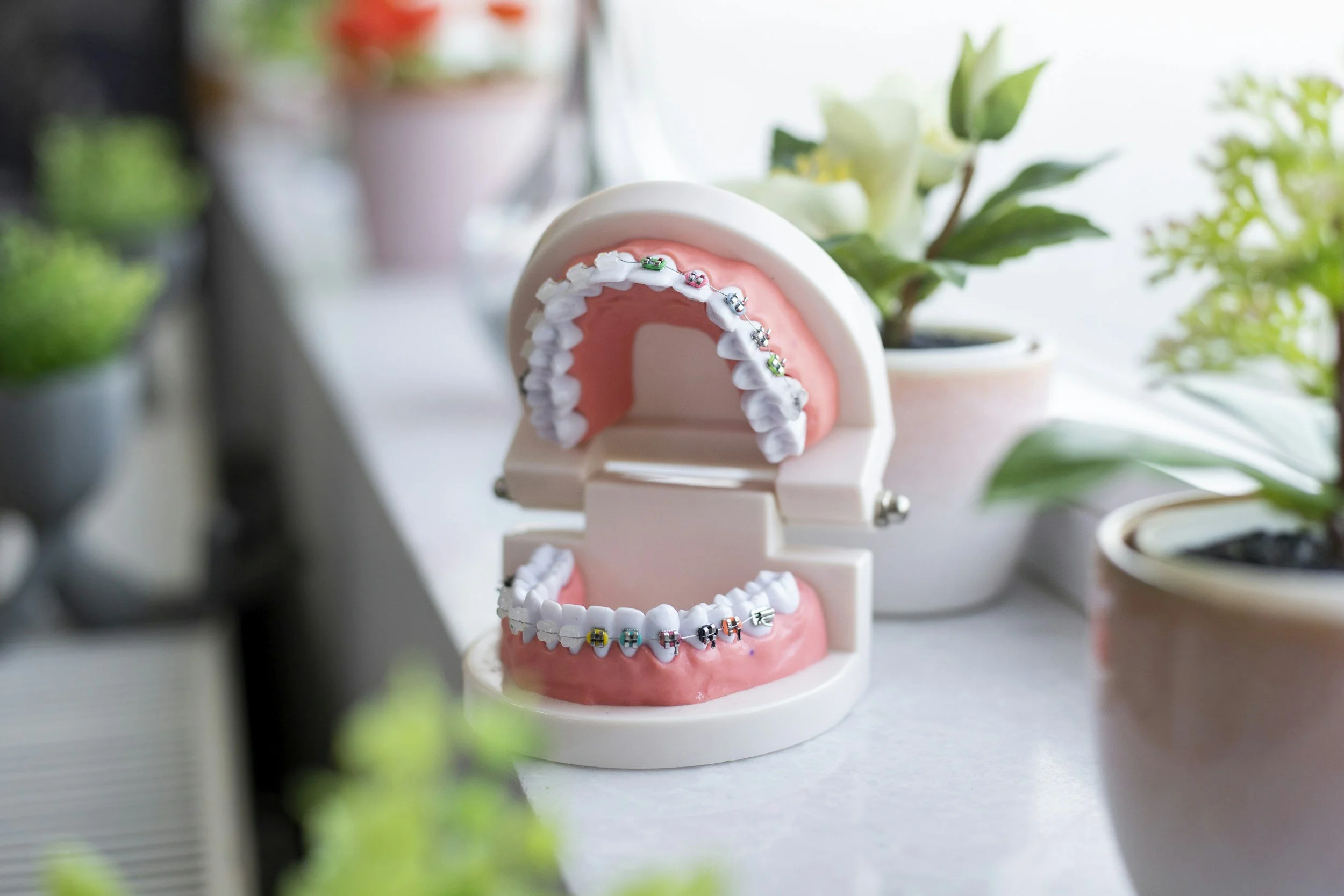
Teeth can be moved. Habits can move them back.
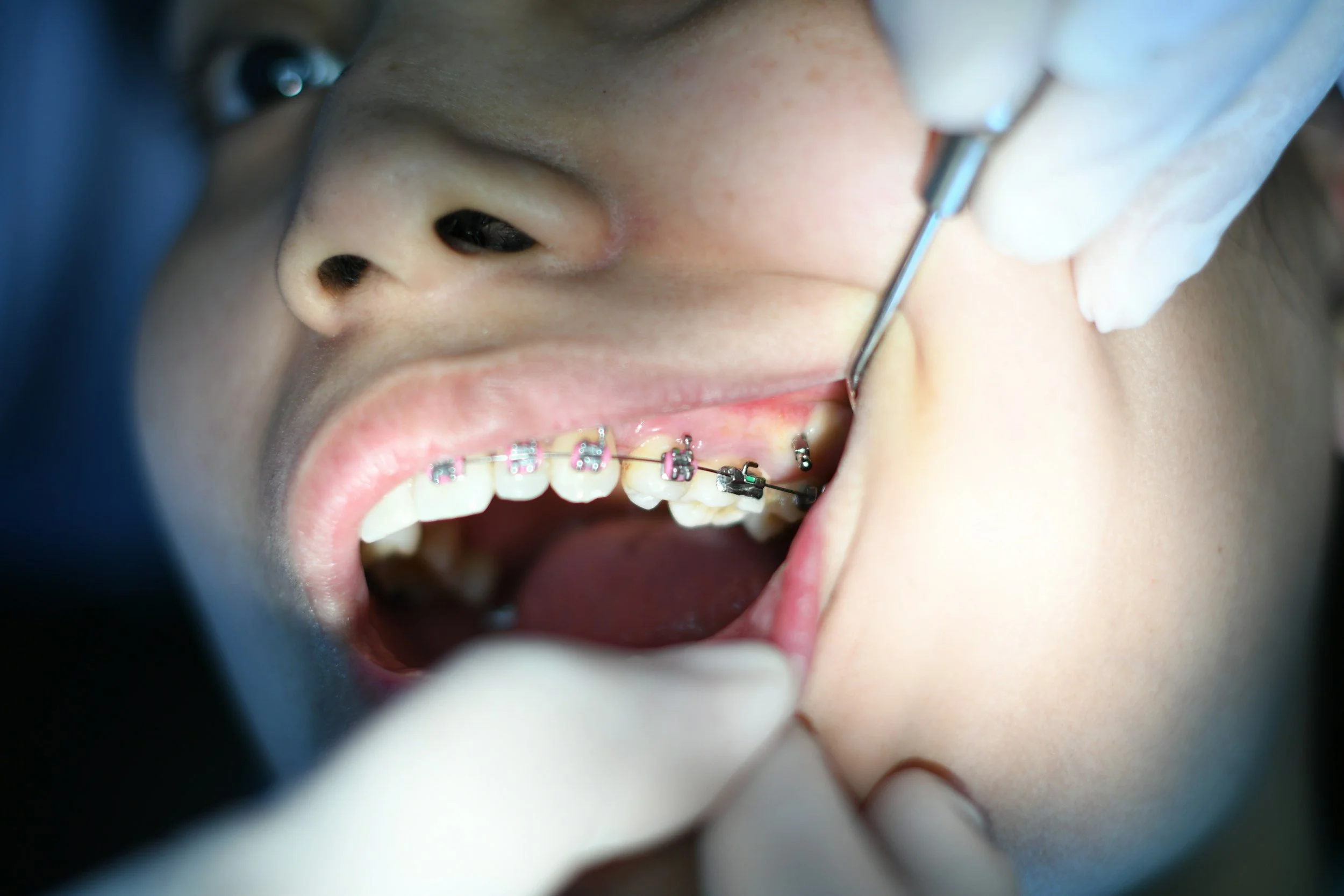
What Is Orthodontic Relapse?
Orthodontic relapse occurs when teeth begin shifting back toward their original position after orthodontic treatment.
This can happen for many reasons, including:
Low tongue posture
Mouth breathing
Tongue thrust swallowing
Poor oral rest posture
Narrow palate development
Improper muscle function
Inconsistent retainer wear
Airway dysfunction
Tongue tie restrictions
The tongue is one of the strongest muscles in the body and applies gentle pressure to the teeth throughout the day and night. When tongue posture or swallowing patterns are not ideal, that pressure may influence tooth positioning over time.
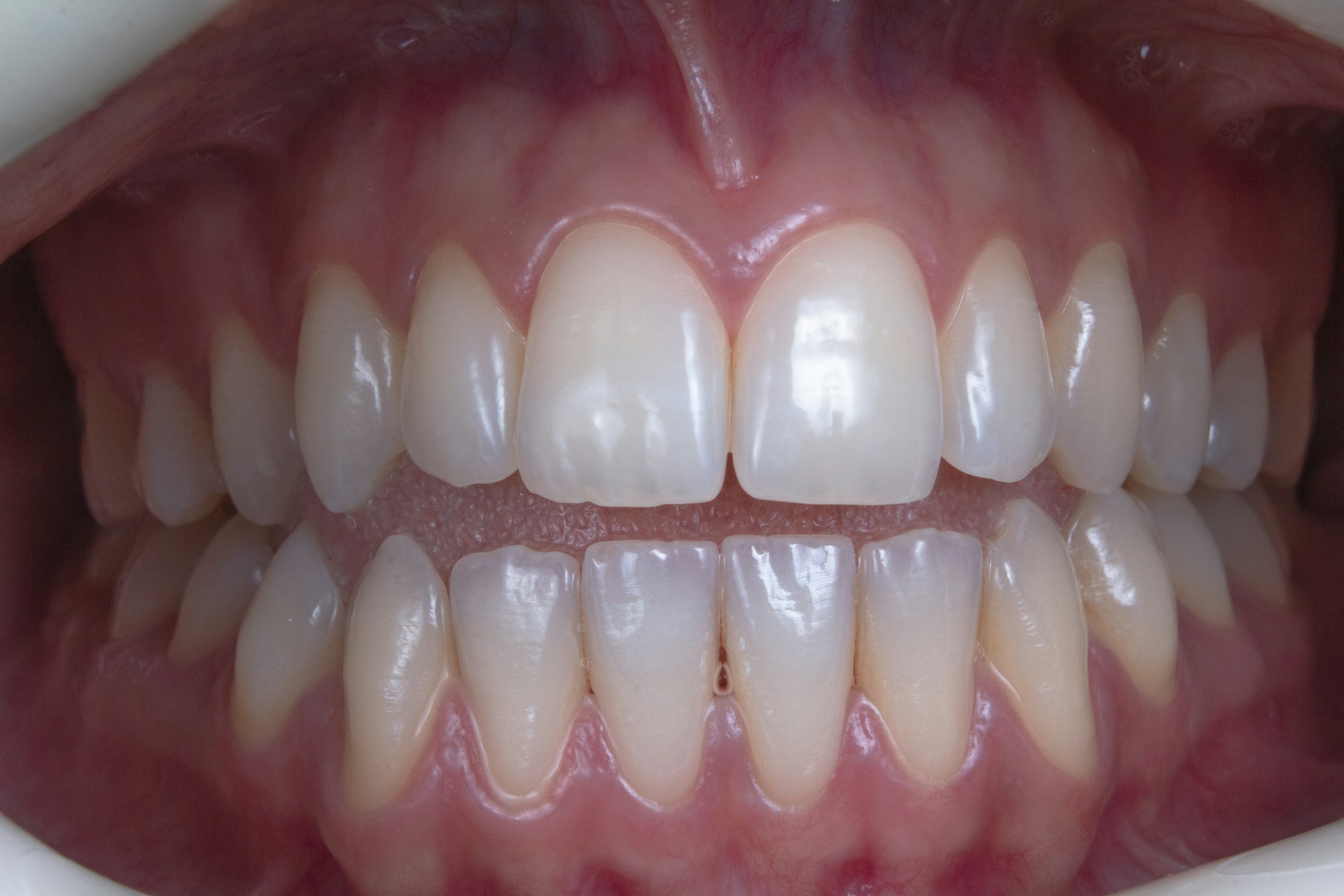
The Role of Myofunctional Therapy
Myofunctional therapy helps retrain the muscles of the tongue, lips, cheeks, and airway to support healthier oral function.
Therapy focuses on:
Proper tongue posture
Nasal breathing
Functional swallowing patterns
Lip seal
Oral muscle coordination
Healthy oral habits
By improving muscle function and oral rest posture, therapy may help support the long-term stability of orthodontic treatment.
Before, During, or After Orthodontics
Myofunctional therapy may be beneficial:
Before orthodontic treatment to address underlying habits
During treatment to support proper function
After treatment to help maintain results long-term
Many patients are surprised to learn that straight teeth alone do not always correct the functional patterns that contributed to the issue in the first place
Signs of Oral Dysfunction That May Affect Orthodontic Stability
Common signs may include:
Mouth breathing
Open-mouth posture
Tongue thrust swallow
Crowding or shifting teeth
Forward head posture
Snoring or poor sleep quality
Clenching or grinding
Difficulty keeping the tongue on the palate
TMJ tension or jaw discomfort
In children, oral habits such as prolonged thumb sucking or pacifier use may also impact oral development and orthodontic outcomes.